Isometric Design Elements: A Practical Guide to Visual Storytelling
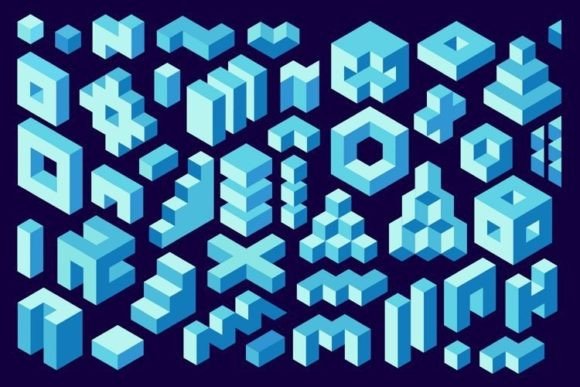
Isometric design elements are a powerful tool for creating visually engaging content that stands out in a crowded digital space. Whether you're a marketer, a designer, or someone looking to add visual interest to your projects, understanding how to use isometric elements can make a big difference. These design components offer a unique way to represent 3D objects on a 2D plane, making them ideal for infographics, presentations, and even product illustrations.
At their core, isometric design elements are based on the principle of isometry, which means "equal measure." This approach allows designers to depict objects in a way that maintains proportional accuracy while giving the illusion of depth. The result is a clean, stylized look that's both modern and versatile.
Where and When to Use Isometric Design Elements
Isometric design elements are particularly useful when you need to convey complex information in a simple, visual format. For example, if you're creating an infographic about how a product works, using isometric elements can help break down the process into clear, digestible steps. This makes it easier for your audience to follow along without getting overwhelmed by text-heavy explanations.
They’re also great for branding and marketing materials. Many startups and tech companies use isometric designs to create a sense of innovation and creativity. By incorporating these elements into logos, social media posts, or website banners, you can instantly elevate the visual appeal of your brand.
Another common use case is in educational settings. Teachers and educators often use isometric diagrams to explain scientific concepts, such as how a machine works or how different parts of the human body interact. These visuals make abstract ideas more tangible and easier to understand.
Real-World Applications of Isometric Design Elements
Let’s take a look at some practical examples of how different users might apply isometric design elements in their work:
- Entrepreneurs: If you're launching a new app or service, using isometric elements in your landing page can help illustrate the features and benefits in a visually appealing way. This not only grabs attention but also builds trust with potential customers.
- Marketers: Social media campaigns often benefit from isometric graphics. Whether you're designing a carousel post for Instagram or a Twitter thread, these elements can add a fresh, modern aesthetic that sets your content apart.
- Bloggers and Content Creators: Adding isometric illustrations to blog posts or YouTube thumbnails can make your content more engaging. It helps draw readers in and keeps them interested in what you have to say.
- Freelancers: If you're a graphic designer or illustrator, learning to work with isometric elements can open up new opportunities. Clients often seek out designers who can produce high-quality, stylized visuals that match their brand identity.
How Different Users Benefit From Isometric Design Elements
The beauty of isometric design elements lies in their adaptability. What works for one user may not be the best fit for another, but the underlying principles remain the same. For instance, a small business owner might use isometric graphics to simplify their website layout, while a teacher might use them to create interactive lesson plans.
Consider a scenario where a fitness coach is creating a workout plan. Instead of using generic images, they could use isometric illustrations to show different exercises in action. This not only makes the plan more visually appealing but also helps clients better understand how each exercise should be performed.
On the other hand, a web developer working on a SaaS product might use isometric elements to visualize the platform's features. This can help stakeholders grasp the product's capabilities quickly and make informed decisions during the development process.
What to Consider Before Using Isometric Design Elements
Before diving into isometric design, it's important to think about your goals and audience. Are you trying to simplify complex information? Make your brand more memorable? Or enhance the user experience on a website? Each of these objectives will influence how you approach the design process.
Another consideration is the level of detail. While isometric elements can be highly detailed, sometimes less is more. Overcomplicating a design can make it harder to read and less effective. It's all about finding the right balance between aesthetics and clarity.
Finally, don't forget about accessibility. Ensure that your isometric designs are easy to interpret, especially if they're being used in educational or informational contexts. Avoid using too many similar colors or overly intricate patterns that could confuse the viewer.
Conclusion: Embracing the Power of Isometric Design Elements
Isometric design elements are more than just a trend—they're a valuable tool that can enhance communication, engagement, and visual storytelling across a wide range of applications. Whether you're a creator, a professional, or simply someone looking to improve your digital presence, incorporating these elements into your work can make a meaningful impact.
By focusing on real-world scenarios and practical outcomes, you can unlock the full potential of isometric design and create content that resonates with your audience. So next time you're looking for a fresh way to present your ideas, consider the power of isometric design elements.